跳到内容
跳到内容

The Ultimate Guide to Hands-On STEM Learning in 2026
The Ultimate Guide to Hands-On STEM Learning in 2026
STEM education has evolved rapidly over the last decade but 2026 marks an important shift. With classrooms becoming more digital than ever, schools and parents are realizing that students need something even more powerful than screens:
Hands-on, minds-on learning.
Hands-on STEM learning allows children to touch, build, experiment, test, fail, rebuild and discover, activating the exact skills they need for future careers in science, engineering, robotics, design, and technology.
In this guide, we’ll walk you through:
✔ What hands-on STEM really means
✔ Why it is essential for students in 2026
✔ Classroom & at-home project ideas
✔ Tools and kits schools use worldwide
✔ Science-backed benefits of tactile learning
✔ How to introduce hands-on STEM on any budget
Let’s dive in!
What Is Hands-On STEM Learning?
Hands-on STEM learning is an approach where students learn by doing, rather than only watching or listening. It encourages them to:
-
Build physical prototypes
-
Experiment with real materials
-
Use tools, robotics kits, LEGO® sets, or engineering equipment
-
Solve problems through trial, error, and iteration
-
Collaborate with teammates
-
Apply classroom theory in real scenarios
It transforms STEM from something students memorize to something they can create.
Why Hands-On STEM Is Essential in 2026
In 2026, skills like collaboration, computational thinking, creativity, and innovation aren’t optional, they're essential. And research shows that students learn these faster through active, physical interaction.
Here’s why hands-on STEM matters more today than ever:
1. It Builds Real Problem-Solving Skills
When children build, test, and rebuild, they learn to adapt a vital skill in an AI-driven world.
2. It Improves Focus & Reduces Screen Fatigue
Students in 2026 spend more time on devices than any previous generation. Hands-on STEM brings balance with healthy, productive screen-free learning.
3. It Strengthens Critical & Computational Thinking
Hands-on STEM challenges students to break complex problems into smaller steps the foundation of coding and engineering.
4. It Encourages Teamwork & Communication
Group building tasks help students work together, assign roles, and communicate ideas clearly.
5. It Makes STEM Fun & Approachable
Children learn best when they are engaged. Hands-on projects turn STEM into play without losing the learning.
What Does Hands-On STEM Look Like in the Classroom?
Schools around the world use hands-on STEM to teach:
-
Engineering (using LEGO® BricQ Motion)
-
Coding & robotics (using LEGO® SPIKE™ Prime or SPIKE™ Essential)
-
Science and physics concepts
-
Math applications
-
Design thinking and prototyping
-
AI and automation foundations
A typical lesson might look like:
-
Students receive a challenge
-
They brainstorm and plan
-
They build a prototype
-
They test and observe outcomes
-
They redesign based on results
-
They present their solutions
Students learn not just content but how to think.
Hands-On STEM at Home: Simple Activities for Parents
Here are some easy, low-cost project ideas you can try at home:
1. Build a Paper Bridge Challenge
Aim: Teach engineering & stability
Task: Build a bridge using only paper and tape see how much weight it can hold.
2. DIY Rubber Band Car
Aim: Explore energy, motion & force
Materials: Bottle caps, skewers, rubber bands, cardboard
3. Kitchen Chemistry Volcano
Aim: Understand chemical reactions
Materials: Baking soda, vinegar, dish soap, food coloring
4. Build a Mini LEGO® Catapult
Aim: Learn tension, trajectory, and physics
A perfect way to explore simple engineering principles!
5. Shadow Tracking Experiment
Aim: Understand the Sun’s movement
Track the shadow of an object at different times of the day.
Top Tools & Kits for Hands-On STEM Learning in 2026
Here are the most effective STEM solutions used by schools and parents:
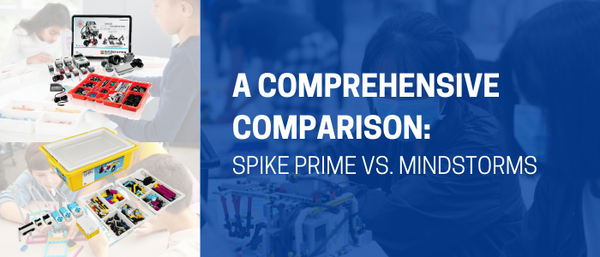
1. LEGO® Education SPIKE™ Essential
Perfect for ages 6–10
Teaches: Coding, storytelling, engineering, teamwork
2. LEGO® Education SPIKE™ Prime
Perfect for ages 10–16
Teaches: Advanced robotics, programming, engineering design
3. LEGO® BricQ Motion
Perfect for teaching physics concepts such as force, energy, and motion
Requires no electronics — great for screen-free learning
4. Makerspace Tools
3D printers, cardboard, motors, sensors, and crafting materials
Used for engineering and invention-based projects
How to Introduce Hands-On STEM in Your School (Even on a Budget)
Step 1: Start Small
Begin with simple kits or classroom sets. Even one LEGO® Education kit can support group learning.
Step 2: Choose Projects That Teach Real Concepts
Example: Teach force and motion through BricQ Motion instead of only PowerPoints.
Step 3: Train Teachers
Confidence in STEM teaching leads to better student outcomes.
Step 4: Build a Makerspace Corner
A small station with basic materials can inspire creativity.
Step 5: Integrate STEM Into Existing Subjects
You don’t need to rewrite the curriculum — just enhance it.
What Students Gain From Hands-On STEM Learning (Backed by Research)
✔ Higher retention & understanding
✔ Stronger math and science performance
✔ Growth mindset & resilience
✔ Better collaboration skills
✔ Improved creativity and imagination
✔ Strong early exposure to robotics & coding
✔ Preparation for future STEM careers
Hands-on STEM is one of the few learning methods that builds both academic proficiency and real-world capability.
Final Thoughts: The Future of Learning Is Hands-On
2026 is shaping up to be a year where STEM education becomes more practical, playful, and purposeful.
Whether you’re a parent, teacher, school leader, or student hands-on STEM learning opens the door to:
-
Curiosity
-
Confidence
-
Creativity
-
Real future readiness
At Duck Learning, we’re proud to support schools and families in making STEM both accessible and exciting.
If you’d like help choosing the right tools or setting up your classroom, our team is always here to guide you!